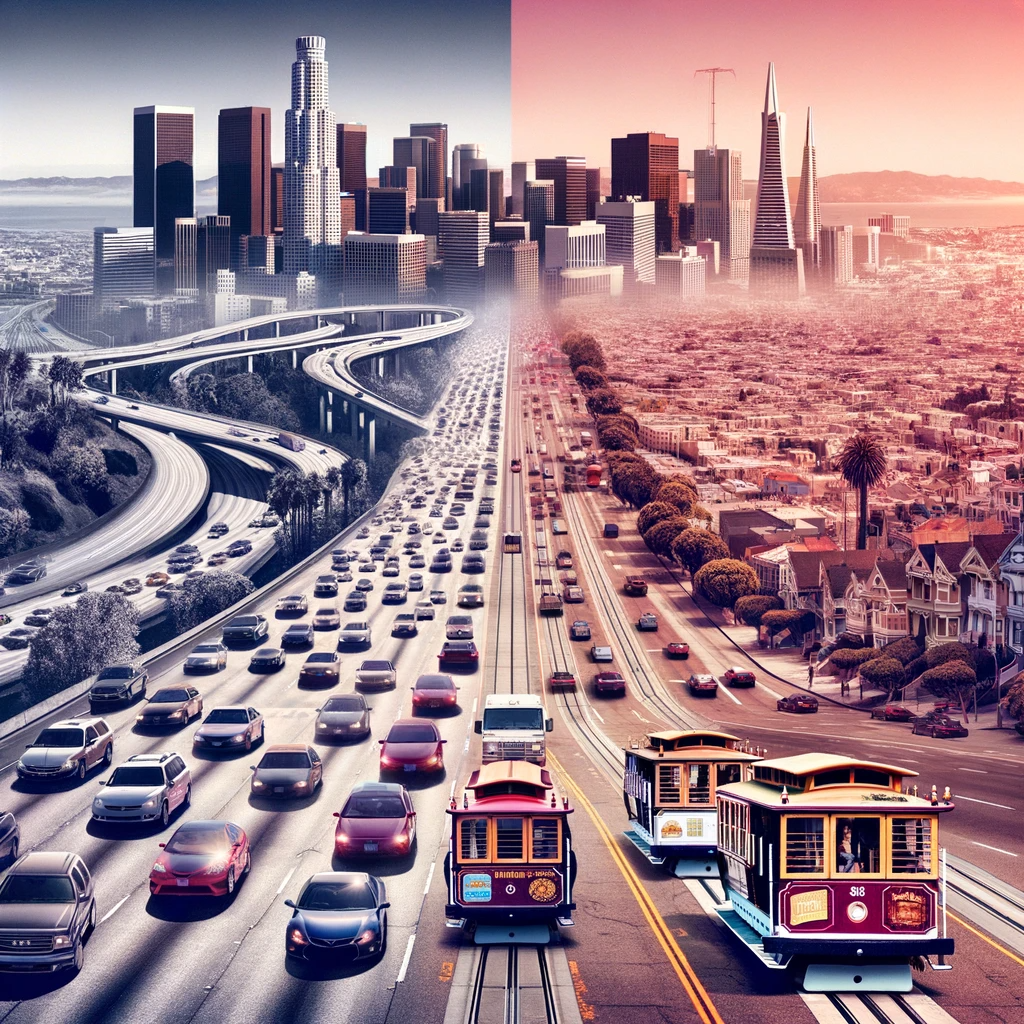
Once upon a time, in the bustling heart of a thriving metropolis, the hum of engines and the rhythm of wheels on pavement echoed like a never-ending symphony. This city, like many others, had embraced the automobile as its king, allowing it to dominate its streets and dictate the lives of its residents. But beneath the veneer of convenience and modernity, a tale of challenges and consequences was unfolding, revealing the impact of car domination on the livability and prosperity of the city.
Traffic Congestion: Every day, local residents found themselves ensnared in the snarls of traffic, their lives measured in the slow tick of the clock as they inched forward on crowded streets. This constant battle with congestion not only frayed nerves but also chipped away at their well-being, turning what should have been simple commutes into prolonged ordeals.
Limited Public Space: The city’s love affair with cars had claimed vast swaths of land, leaving little room for parks, playgrounds, and public gathering spaces. These concrete jungles, with their endless rows of parking lots and wide roads, offered scant refuge for recreation or social interaction, diminishing the city’s vibrancy and community spirit.
Noise Pollution: The ceaseless drone of traffic had become the city’s unwanted soundtrack, disrupting the peace of its inhabitants. Although the growl of engines could never be entirely silenced, the residents yearned for a respite, for areas where the clamor of cars was replaced by the sounds of nature and human conversation.
Social Isolation: The city’s streets, designed for cars rather than people, discouraged walking and biking. This car-centric layout fostered a sense of isolation, as residents found themselves more likely to drive than to stroll or cycle through their neighborhoods, missing out on chance encounters and connections that form the fabric of community life.
Economic Costs: For many, the financial burden of car ownership weighed heavily. The costs of maintenance, fuel, and insurance were particularly onerous for the city’s lower-income residents, for whom a car was both a necessity and a financial strain.
Health Impacts: The air, tainted by exhaust fumes, told its own grim story. The city’s reliance on cars had exacted a toll on public health, with increased cases of respiratory and cardiovascular diseases linked to air pollution.
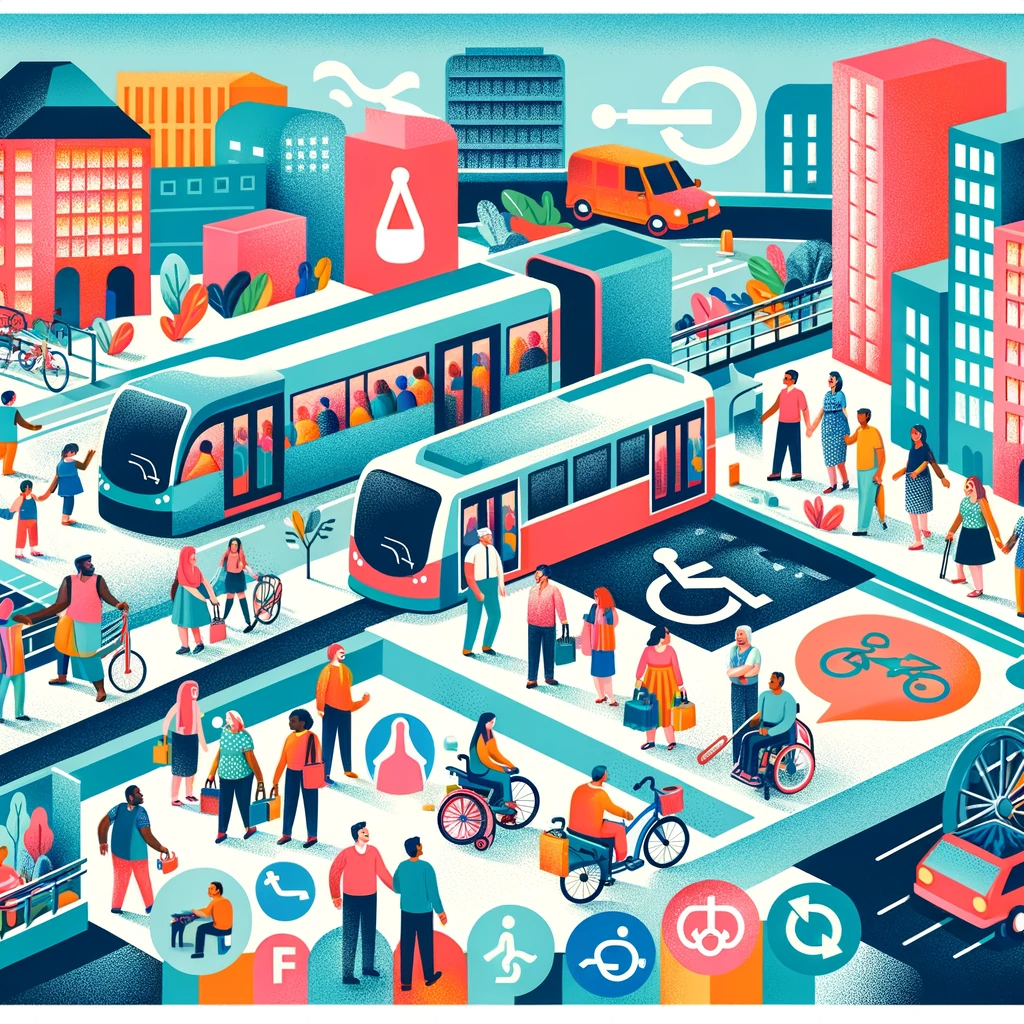
As the city’s story unfolded, a growing awareness emerged among its leaders and citizens. They began to recognize that their car-dominated urban landscape was inherently flawed. This realization sparked conversations and initiatives aimed at reimagining the city, envisioning a future where livable spaces, clean air, and community connections took precedence over the reign of the automobile.
The journey towards this transformed cityscape was long and filled with challenges, but it was a path that many were willing to tread, driven by the vision of a more livable, healthier, and connected urban environment. The story of this city, like many others, was still being written, but the pages were slowly turning towards a future where cars no longer ruled supreme, and the streets echoed with the vibrant sounds of community and nature.